Manufacturing
Full-package apparel manufacturing explained: from tech pack to export-ready garment
A clear explanation of full-package apparel manufacturing, from tech pack review and sampling to QC, packing, and export readiness.
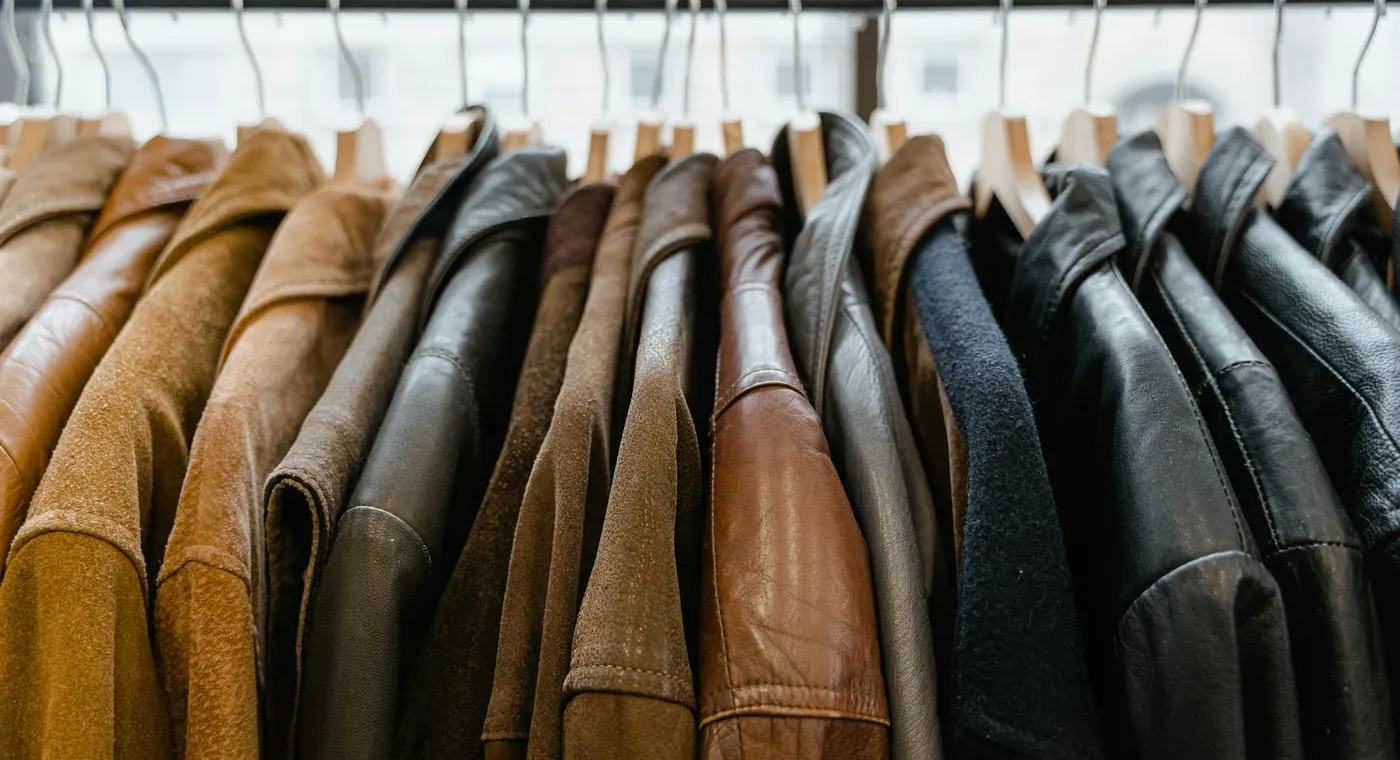
Many brands say they want a supplier. What they often need is a full-package apparel manufacturing partner.
The difference matters.
A simple cut-and-sew vendor can execute instructions. A full-package partner helps manage the path from idea to export-ready product.
What full-package manufacturing usually includes
Depending on the supplier, full-package support can cover:
- material sourcing
- fabric development or selection
- pattern making
- sampling
- grading
- production planning
- labeling and trims coordination
- quality control
- packing and export support
Why brands choose this model
This model becomes especially valuable when a brand:
- has a lean internal team
- needs more operational support
- wants to reduce vendor fragmentation
- is scaling into new categories
The stages brands should understand
1. Tech pack review
A strong partner does not simply accept the pack. They flag risk, clarify missing information and improve execution feasibility.
2. Sampling and corrections
This stage should generate learning, not confusion. Clear sample feedback loops save time later.
3. Material and finish decisions
This is where quality, handfeel, shrinkage behavior and price structure start taking shape.
4. Bulk production
At this stage, process discipline matters more than promises.
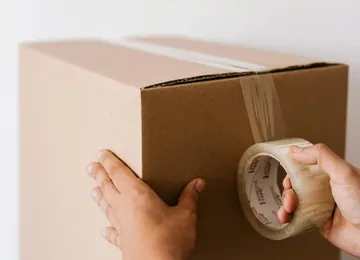
5. QC, packing and export readiness
A full-package team should help ensure the product is not only made, but commercially deliverable.
What buyers should ask before committing
- which parts are handled in-house vs. by partners?
- how are timelines managed across stages?
- what approvals are required before bulk?
- how are issues escalated during production?
- what export support is included?
Why this matters for US and Canadian brands
For North American brands, full-package support can reduce coordination burden and shorten the distance between product vision and actual delivery.
Conclusion
Full-package manufacturing is not just a service label. It is an operating model. When done well, it reduces complexity, improves execution and gives brands a cleaner path from concept to market-ready garment.